
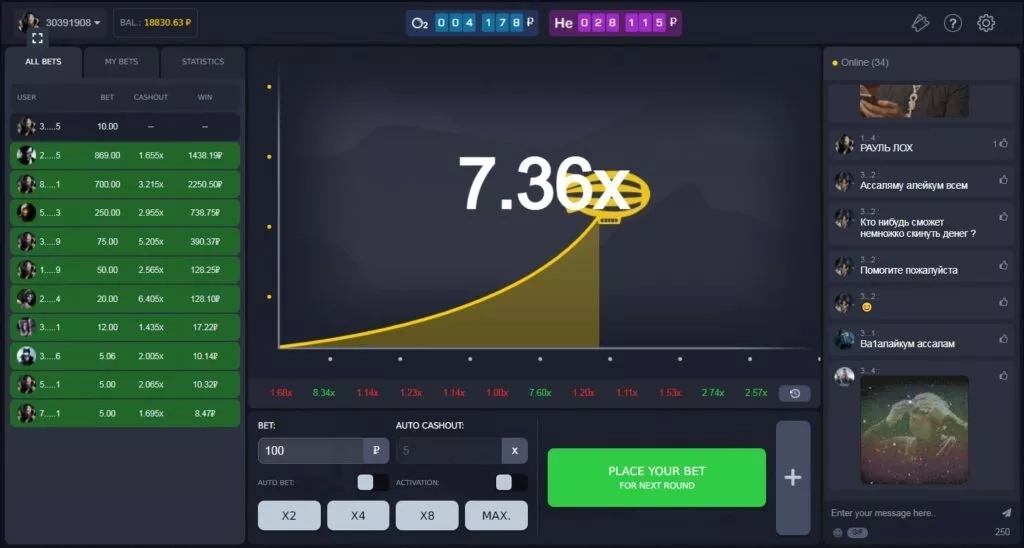
Concentration determines the level of your potential returns in the Zeppelin Crash Game https://zeppelincrash.net/. Yet participants often overlook the most basic tool they have: their own breath. For people in the UK facing the thrilling volatility of this crash game, learning a few simple breathing techniques can change a session. It can shift a tense gamble into something more centered and calculated. Here we will examine useful, science-backed breathing exercises. They are crafted to boost concentration, handle adrenaline spikes, and promote a calmer, more intentional way to play. You will discover methods to use before you set a bet, during the Zeppelin’s tense climb, and after a round ends. The aim is to establish a sustainable and pleasurable mindset for gaming.
Why Breath Is the Secret to Crash Game Success
As the Zeppelin starts its climb, your body reacts. Your heart races. Your muscles may tense up. Your breathing often turns rapid and shallow. This is a typical stress response. It is stimulating, but it also clouds your judgment. It can push you toward impulsive payments or dangerous choices. Intentional breathing gives you a powerful tool on your nervous system. Deep, rhythmic breaths signal safety to your body. You transition from ‘fight or flight’ and into ‘rest and recover’. This physical calm creates clear thinking. For a player in the UK, that means evaluating multipliers with higher objectivity. It means sticking to your predetermined plan and separating emotionally from the outcome of a single round. That detachment is a cornerstone of responsible gaming.
Incorporating Breath Awareness into Your Approach
Respiratory techniques should not feel like an extra burden. They must integrate into your gameplay approach. Establish simple cues. For example, use one deep diaphragmatic inhalation as your ritual before you click ‘Place Bet’. Use the box breathing pattern specifically while the Zeppelin is ascending. Make a habit of taking three physiological exhalations after every fifth game, no matter the result. This releases any building tension. Tying these techniques to specific game moves turns them into habits. This incorporation means you actively control your physical status as part of your overall strategy. It places you in the best possible mental state for every move the game throws at you.
Developing Endurance for Lengthier Sessions
Maintaining consistent focus and emotional control is key for players in longer sessions. Paced breathing aids build this endurance. Employ a gentle metronome or a simple app. Set a rhythm for a six-second inhale and a six-second exhale. Strive to keep this pattern for five to ten minutes before you start playing. Return to it briefly between rounds. This equal-length breathing encourages balance in your nervous system. It trains your respiratory muscles. You do not need to breathe like this during active play. The goal is to establish a reservoir of calm you can draw from. It improves your overall resilience to the game’s natural ups and downs. This encourages a more disciplined and enjoyable experience.
Controlling Adrenaline Post a Major Win or Crash
The seconds following a big cash-out or a sudden crash are charged with intensity. A win can trigger exhilaration and recklessness. A crash can bring annoyance. Both conditions harm your ability to gamble logically in future. Try the ‘4-7-8’ respiratory technique here. Place the end of your lingual organ at the back of your top front teeth. Breathe out completely completely. Next breathe in gently through your nose for a period of four. Maintain your breath for seven. Afterwards breathe out forcefully through your mouth for eight. Repeat this pattern three or four times. This effective rhythm forces a fast rebalance of your nerve system. It eliminates the strong emotional rush. It enables you to come back to a calm, level-headed mindset ahead of contemplating your next bet.
The Pre-Event Calm: Diaphragmatic Breathing Setup
We suggest a two-minute centering ritual before you even load the Zeppelin Crash Game. Employ diaphragmatic breathing. Sit comfortably, feet planted on the ground. Rest one hand on your chest and the other on your abdomen. Inhale slowly through your nose over four seconds. Feel your belly rise against your hand. Keep your chest fairly motionless. Retain the breath for a two-count. Then breathe out smoothly through pursed lips for a count of six. This longer exhale is essential. It activates your parasympathetic nervous system. This routine removes mental noise. It creates a foundation of calm. It consciously denotes the commencement of your game session, isolating it from the day’s interruptions. You begin with a tone of control, before the unforeseeable path starts.
The Strength of the Sighing Breath for Immediate Relief
Sometimes you require an immediate release mechanism. This might be in the middle of a especially stressful game or after a series of losses. The physiological sigh is a inherent mechanism our bodies employ to reset breathing and lower stress. You can perform it on purpose. Take a standard breath in through your nose. Then right away take a following, shorter ‘sip’ of air to fully inflate your lungs. Finally, breathe out slowly and completely through your mouth. Make a sighing sound. Do this a few times in a row. It quickly reduces levels of the stress hormone cortisol. It gives you a tangible feeling of relief. This is a discreet, quick tool for any moment in your session. It is particularly helpful during prolonged gaming to keep tension from mounting.
Anchoring Attention During the Zeppelin’s Climb
As the multiplier rises and stress builds, it is easy to focus on the figures. You might catch your breath without realizing. A ‘Box Breathing’ exercise aids sustain concentration during this crucial stage. Inhale for a beat of four. Pause for four. Exhale for four. Wait for four. Then repeat. Hold your eyes relaxed on the display. Let the rhythmic rhythm ground your consciousness. This won’t distract you from the play. This keeps your thinking from descending into ‘what if’ worries. This maintains you focused with the information, the rising rate, while controlling the bodily tension that comes with it. That balanced state becomes ideal for executing your cash-out move. You can base it on reason, not on fear or avarice.
Frequent Mistakes UK Players Make With Breathing
Many players try these techniques with well-meaning intentions but commit small errors. These errors lessen the effectiveness. The most common is breathing too deeply and too fast. This can lead to lightheadedness, which is the opposite of what you want. Always focus on a slow, controlled exhale. Another mistake is only breathing consciously after losses, not wins. This ignores how euphoria can also impair your judgement. Holding your breath entirely during play is another frequent, unconscious error. Some players also abandon the practice after a day or two. Consistency is crucial for real change. Finally, do not try a complex pattern for the first time during high-stakes play. Practice it in calm moments first.
Building Your Tailored Breathing Protocol

Now you can build your own breathing protocol for Zeppelin Crash Game sessions. Begin by selecting one technique for each phase. Select a pre-game calm method, like two minutes of diaphragmatic breathing. Choose an in-game focus anchor, like Box Breathing during the ascent. Choose a post-round reset, such as the 4-7-8 method. Perform this sequence during low-stakes play or even while watching a replay. Note how each technique feels. Adjust the counts slightly to match your natural rhythm. The right protocol is the one you will use consistently. It should feel supportive, not forced. Over time, this personalised routine will become as much a part of your session as checking your balance. It forms the foundation of a focused, controlled, and responsible way to play.
