

Blackjack is among the rare casino games where your decisions genuinely shape the result, and the array of variants out there can feel like a lot to take in. Tombola Casino gives Dutch players a curated set of blackjack tables, from traditional classics to clever twists with side bets and live dealers. Getting a handle on the differences isn’t just about learning rules by heart. It’s about understanding how small changes—deck size, how the dealer behaves, payout structures—shift the house edge and the strategy you need. This guide explores the variants that matter, details what makes each unique, and offers clear, usable advice you can lean on the next time you sit down at the virtual felt.
Atlantic City Blackjack variant: Late Surrender rule and Beyond
Atlantic City Blackjack earned its reputation as one of the friendliest variants thanks to a mix of liberal rules and the late surrender feature. Played with eight standard decks, the dealer stands on soft 17, which promptly lowers the house edge compared to games where the dealer takes a card. The late surrender rule lets you forfeit half your bet after the dealer peeks for blackjack, so the move is possible only when the dealer lacks a natural blackjack. This option is an effective tool for reducing losses on weak starting hands—like a 16 with no ace against a dealer showing 10—and it’s one of the first things experienced players hunt for when choosing a table.
Beyond surrender, Atlantic City Blackjack lets you double down on any first two cards and doubling after a split, which enables more aggressive moves when the count works for you. You are allowed to split any pair up to three times, forming up to four hands, and aces are eligible for one re-split. When aces are split, each new hand gets only one additional card, which is standard across most blackjack variants. Blackjack offers a 3 to 2 payout, and insurance is available when the dealer’s upcard is an ace. With perfect basic strategy, the house edge on this variant can drop to just 0.35%, making it a top pick for players who seek to maximise their bankroll over a lengthy playing session.
At Tombola Casino, Atlantic City Blackjack tables are clearly marked, and the interface generally presents the particular rule set in the game settings. Dutch players who like having plenty of strategic options will discover that late surrender brings a welcome level of depth without making the game appear messy. The shoe with eight decks means card counting becomes less feasible, but for occasional and dedicated players the emphasis remains on flawless basic strategy. Since the rules are so favourable, it’s worth spending a few minutes checking a strategy card designed for Atlantic City rules—especially the surrender indices—before you gamble with real funds.
Vegas Strip Blackjack Čtyřbalíčkový favorit
Vegas Strip Blackjack bottles the feel z Las Vegas Strip with a four‑deck shoe s pravidly, that balances hráčskou výhodu s rychlým tempem. The dealer stands on soft 17, a můžete zdvojnásobit on any two initial cards, včetně po rozdělení párů. Je možná pozdní kapitulace, což je v souladu s tradicí Atlantic City, avšak nižší počet balíčků nepatrně mění pravděpodobnosti a dodává hře dynamičtější pocit. Blackjack vyplácí 3 ku 2, a lze znovu splitovat esa, ačkoli zpravidla pouze jednou, kdy každé eso obdrží jednu kartu. These conditions produce a house edge jež soupeří s nejlepšími nabídkami Atlantic City, often hovering around 0.35% to 0.40% při perfektní hře.
Jeden praktický rozdíl mezi Vegas Strip a Atlantic City Blackjack spočívá v počtu balíčků, což má vliv na četnost výskytu určitých rukou and the volatility of the shoe. With four decks, you see fewer identical cards in quick succession, a vliv vyjmutí jedné karty působí poněkud výrazněji. Pro hráče, kteří rádi sledují průběh hry—even without formal card counting—čtyřbalíčkový formát může být poutavější. Late surrender means, the same surrender indices used in Atlantic City apply here, so players who have memorised those numbers se mohou snadno přesouvat mezi oběma variantami.
When you explore Vegas Strip Blackjack at Tombola Casino, check whether the table uses a continuous shuffling machine nebo tradiční bot, protože to ovlivňuje rytmus hry. Online versions usually shuffle after every hand, což udržuje hru rychlou a eliminuje jakoukoli výhodu z počítání karet, avšak strategická hloubka zůstává nedotčena. Kombinace pozdní kapitulace, zdvojnásobení po splitu a čtyřbalíčkové struktury činí tuto variantu vynikajícím středním proudem pro hráče, kteří chtějí příznivější pravidla než European Blackjack bez osmibalíčkového naředění Atlantic City. Usednout k Vegas Strip stolu je často chytrý výchozí krok.
Blackjack Switch Game: Managing Two Hands and Switching Cards
Blackjack Switch changes the traditional format by having you place two equal bets and get two separate hands. After the initial deal, you can switch the second cards of each hand, transforming a weak 16 and a strong 11 into two much stronger starting points. This switch mechanic is the essence of the game and produces spots where you can manufacture powerful hands that would be impossible in regular blackjack. To offset that advantage, the dealer pushes on a total of 22 instead of busting—unless you have a natural blackjack, which still wins. Blackjack rewards even money rather than 3 to 2, and the house edge settles around 0.58% with optimal switching strategy.
The switching decision is not always clear, and small mistakes can quickly reduce your return. For example, getting dealt a 10‑6 and a 9‑7 might lead you to switch the 6 and 7, creating 10‑7 and 9‑6, but the right move is based on the dealer’s upcard and the combined strength of both hands. Strategy charts for Blackjack Switch are arranged as a grid that indicates the best action for each two‑hand combination against every possible dealer card. Many online casinos, Tombola Casino included, offer a version that also includes the Super Match side bet, which pays based on the poker value of your initial four cards. The base game, though, is rich enough to keep strategic players hooked for hours.
Because the dealer pushes on 22, hands that would normally win in standard blackjack can turn into ties, which modifies the risk profile of standing on stiff totals. You should be more inclined to hit hard 15 and 16 against a dealer’s 7 or 8, because the dealer’s increased chance of reaching 22 without busting makes standing less attractive. The even‑money blackjack payout also means the value of a natural is lowered, so the focus transfers to winning both hands through sound switching and drawing decisions. Blackjack Switch is a excellent pick for players who appreciate puzzles and want a departure from the standard hit‑stand rhythm.
Spanish 21: Removing the Tens for a Unique Twist
Spanish 21 resembles blackjack at first glance, but removing all the 10‑spot cards out of the deck forms a fundamentally different game. Conducted with six or eight 48‑card decks, the missing tens mean only face cards and aces can form a natural blackjack. To offset that disadvantage, the game adds player‑friendly rules you won’t see in standard blackjack. A player’s blackjack always beats a dealer’s blackjack and rewards 3 to 2 right away. Late surrender is available, and you can double down on any number of cards, including after splitting. You can also “rescue” a doubled hand by surrendering one of the two bets—a safety net when the draw becomes risky.
The bonus payout structure is what truly distinguishes Spanish 21 apart. A five‑card 21 rewards 3 to 2, a six‑card 21 pays 2 to 1, and a seven‑or‑more‑card 21 payouts 3 to 1. Suited 7‑7‑7 against a dealer’s 7 triggers a special bonus, and mixed 7‑7‑7 also rewards a smaller bonus. These extra payouts nudge you to hit hands you’d normally stand on, which makes the game feel more adventurous. The house edge on Spanish 21 can dip below 0.40% with optimal strategy, but the strategy is more complex because the missing tens alter the odds of busting and the value of drawing to stiff hands. Dedicated strategy charts are a requirement for anyone who intends to play seriously.
Dutch players who discover Spanish 21 in the Tombola Casino lobby should regard it as a separate game, not just a blackjack variant with a few tweaks. Without tens, doubling on 11 against a dealer’s 10 is far riskier, and hitting hard 17 against certain upcards can be the correct move. The bonus payouts for multi‑card 21s entice to chase long draws, but you still need discipline to keep the house edge low. Spanish 21 compensates players who invest time in learning its unique strategy, and the rescue rule offers a cushion that can make the learning process less expensive.
Selecting the Proper Variant for Your Playing Style
With so many blackjack variants on offer, the optimal choice hinges on what you value the most: the smallest possible house edge, the deepest strategic play, or the most captivating experience. Players who aim to minimise the casino’s advantage should choose Atlantic City or Vegas Strip Blackjack with late surrender, since these games deliver house edges below 0.40% when played optimally. Those who appreciate making complex decisions and are willing to learn a new strategy chart will find Spanish 21 and Blackjack Switch deeply rewarding. European Blackjack stays a solid pick for purists who like a straightforward game without surrender or exotic twists, while live dealer tables attract anyone who misses the social atmosphere of a brick‑and‑mortar casino.
Pace of play also matters. RNG blackjack hands are played in seconds, which is perfect for players who wish to squeeze a quick session into a busy day. Live dealer games move more slowly and provide a more immersive experience, making them more fitting to evenings when time isn’t tight. At Tombola Casino, the lobby is structured so you can filter by game type, making it simple to jump between a fast Vegas Strip table and a relaxed live dealer session with a few clicks. The ability to try different variants without switching platforms diminishes the barrier to experimentation and assists you discover which style of blackjack you really enjoy.
The top successful blackjack players are those who match their variant choice to their temperament and preparation level. There’s no single best game for everyone. A player who loves the puzzle of Blackjack Switch but refuses to learn the switching grid will lose money faster than someone who sticks to classic blackjack with a basic strategy card in hand. The Dutch online casino environment, regulated by the Kansspelautoriteit, gives players access to fair, audited games, and Tombola Casino operates under that framework with transparent terms and secure payment processing. Taking the time to understand the nuances covered in this guide turns the lobby from a confusing list of names into a menu of meaningful choices.
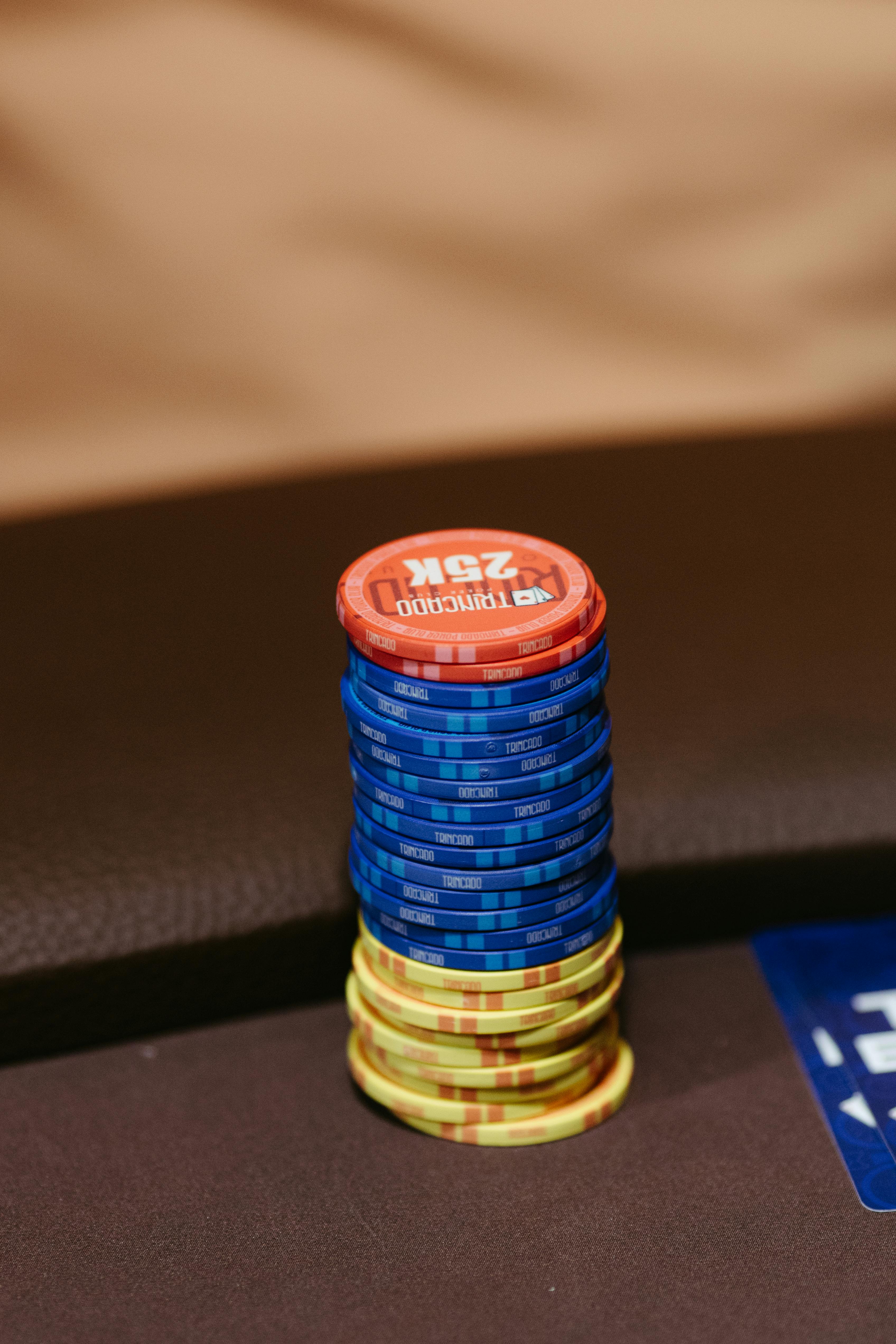
The genuine value of learning blackjack variants isn’t just lowering the house edge. It’s about finding a version of the game that feels genuinely enjoyable to play. Maybe it’s the strategic safety net of late surrender, the card‑switching puzzles of Blackjack Switch, or the human connection of a live dealer table—there’s a blackjack variant that will click. The next step is to visit Tombola Casino, browse the blackjack selection with fresh eyes, pick a table that matches today’s mood, and put these insights into practice. Start with low stakes, keep a strategy reference nearby, and remember that every hand is a chance to make a better decision than the last one.
Additional Wagers and Growing Jackpots in 21
Many blackjack tables, both RNG and live dealer, provide additional side wagers that introduce a new dimension of entertainment and the possibility for substantial rewards tombolacasino.com.nl. These bets are settled independently of the primary hand and are based on specific card combinations using your first two cards and sometimes the dealer’s upcard. While optional bets can deliver exciting victories, they almost always carry a significantly larger house edge than the base game—often ranging from 3% to over 10%. Knowing how each optional bet operates and what it represents in anticipated value is vital for taking educated choices at the gaming table.
How 21+3 Operates
The 21+3 additional wager uses your opening cards and the dealer’s upcard to create a poker hand of three cards. If the triple create a flush, the bet rewards according to a predetermined payout chart. A consecutive suited cards usually offers 40 to 1, while a five cards of the same suit may payout 5 to 1. The house edge on 21+3 differs based on the number of decks and the particular payout table, but it typically sits between 3% and 5%. This wager is favored because it introduces a poker aspect to 21 without needing any extra skill, but you must view it as a independent recreational cost rather than a trusted revenue generator.

Other common side bets include Perfect Pairs, where you collect if your opening cards create a coloured pair, and Lucky Women, which payouts when your total equals 20, with unique payouts for identical 20s or a queen of hearts pair. Growing jackpot wagers tie various tables and accumulate a pooled prize that can be achieved by achieving a specific rare combination, such as four aces of the same suit. At Tombola Casino, the offering of additional wagers differs by table, and the paytable is constantly displayed in the game rules. The key takeaway: treat optional bets with a clear budget and the awareness that they’re created for sporadic excitement, not for achieving a sustained advantage.
European Blackjack: Single‑Deck Subtleties
European Blackjack Variant is frequently the initial version Dutch players run into, and its most obvious quirk is the absence of a dealer hole card. The dealer is dealt only one card face up at the outset, and the next card is given only after all players have played their hands. That little tweak has a major strategic effect: if you double down or split your pairs, you may lose more money if the dealer later shows a blackjack, because all extra wagers are taken before the dealer checks for a natural. In American variants, the dealer checks for blackjack straight away if the upcard is an ace or a ten, which secures your additional bets.
European Blackjack typically uses two or six decks, though single‑deck variants appear from time to time in online lobbies. The rules usually say the dealer holds on all 17s—beneficial for you—but doubling down is frequently restricted to hands totalling 9, 10, or 11. Splitting is usually allowed one time, and splitting aces again is hardly ever permitted. Surrender is rarely available. These constraints push the house edge slightly higher than in the most generous American variants, but the game stays popular because it’s clean, rapid, and offers a clear set of choices. Players who prefer a pure experience often drift toward European tables.
When you try European Blackjack at an online casino like Tombola Casino, it’s wise to adjust basic strategy for the rule without a hole card. For instance, doubling down on 11 against a dealer’s 10 becomes riskier, because the dealer could still turn a blackjack and take your doubled stake. Many strategy charts created for European rules recommend doubling on 11 only against a dealer 9 or lower, and steering clear of splitting 8s against a 10 or ace. Review the specific doubling and splitting rules before you take a seat—even among European Blackjack tables, small differences can alter the best approach.
Live Dealer Blackjack: Delivering the Casino Experience to Your Screen
Live dealer blackjack links digital RNG play and the buzz of a physical casino, and it has become one of the most sought-after ways to experience the game in the Netherlands. A real dealer works at a physical table, shuffles real cards, and deals in real time, while high‑definition cameras transmit every detail to your device. The interface displays betting options and decision buttons, and a chat function lets you talk with the dealer and sometimes with other players. At Tombola Casino, the live blackjack lobby usually offers tables from leading providers, with rule sets that range from classic seven‑seat games to faster‑paced variants designed for solo play.
The rules at live dealer tables can differ, so consult the game information before you enter. Many tables employ the standard European no‑hole‑card rule, while others provide American‑style dealing with a peek for blackjack. Betting limits are typically displayed clearly, and they extend from low‑stakes tables suited for beginners to high‑roller environments. The pace of live blackjack is inherently slower than RNG play because the dealer must physically handle cards and interact with multiple players, but that slower tempo can be an asset if you want time to refer to a strategy chart or just appreciate the experience. The social element contributes a layer of enjoyment that pure digital games can’t replicate.
Dutch players topping up their live dealer sessions at Tombola Casino can use well-known payment methods like iDEAL, which handles deposits instantly and lets them join a table within seconds. Withdrawals are typically processed within one to three business days once the account has been confirmed. The live casino environment also provides responsible gambling tools, such as deposit limits and reality checks, which are easily accessible from the account dashboard. For players who appreciate transparency and the reassurance of seeing real cards dealt by a real person, live dealer blackjack is the definitive way to enjoy the variants discussed in this guide.
Practical Bankroll and Strategy Tips for Dutch Players
No matter which blackjack variant you select, sound bankroll management is the basis of a sustainable, enjoyable experience. A typical guideline is to bring at least 40 to 50 times the minimum bet to a session, which provides you sufficient cushion to ride out the typical swings of the game. For example, if the table minimum is €5, a session bankroll of €200 to €250 lets you to gamble with discipline and without the stress of needing to win every hand. Establishing a loss limit before the first card is dealt—and sticking to it—stops emotional decisions that can empty your balance fast. At Tombola Casino, you can employ the responsible gambling tools to set deposit limits and session reminders that support these good habits.
Using a basic strategy chart adapted to the particular variant you’re playing is the one effective way to lower the house edge. These charts are readily available online and can be held open in a browser tab or on a second screen while you play. The subsequent practical steps can aid Dutch players get the most out of every blackjack session:
- Always check the table rules for blackjack payout, dealer soft 17 behaviour, and surrender availability before betting.
- Consult a strategy card that matches the exact variant and number of decks, especially for games like Spanish 21 and Blackjack Switch.
- Avoid insurance bets unless you’re counting cards; the house edge on insurance exceeds 7% in most multi‑deck games.
- Treat side bets as a separate entertainment budget and never chase losses on them.
- Leverage any welcome offer or reload bonus at Tombola Casino, but always read the wagering requirements and game contribution percentages first.
Bonuses can give your bankroll extra breathing room, but blackjack often contributes a lower percentage toward wagering requirements than slots, so checking the terms is vital. For instance, a 100% deposit match might require 35 times the bonus amount in wagering, but blackjack wagers may only count 10% toward that total. Factoring this into your session plan stops surprises at the withdrawal stage. Dutch players who prefer mobile play will find that Tombola Casino’s platform runs smoothly on smartphones and tablets, with no download required, so a strategy chart can be referenced on the same device. The combination of disciplined money management, variant‑specific strategy, and smart bonus use builds a framework that turns blackjack from a game of chance into a game of skill.
Grasping the Core Rules of Standard Blackjack
Each blackjack variant rests on the identical foundation, and you must to master that foundation cold before you can play with confidence. The goal is straightforward: outplay the dealer by holding a hand total nearer to 21 without busting over, or by holding on a lower total when the dealer goes over. Numbered cards count as their face value, face cards are equal to 10, and an ace can be 1 or 11. A “blackjack” is an ace plus a 10‑value card on your initial two cards and typically pays 3 to 2. The dealer follows fixed drawing rules—most often taking a card on 16 and staying on 17—though whether the dealer hits or stands on a soft 17 varies between versions and has a significant effect on the house edge.
Classic blackjack normally uses between one and eight standard 52‑card decks. The number of decks alters both the rhythm of play and how valuable card counting can be. After you place a bet, you receive two cards face up, and the dealer gets one face up and one face down in the standard American dealing style. Then you decide to hit, stand, double down, split pairs, or take insurance if the dealer reveals an ace. Insurance is a side bet that the dealer has blackjack, and it comes with a steep house edge, so seasoned players prefer to skip it. Knowing these basics makes it much less difficult to identify what’s distinct when a new variant emerges in the lobby.
Inside classic blackjack, tiny rule adjustments can nudge the return to player (RTP) by fractions of a percent. A game where the dealer holds on soft 17 provides you a superior deal than one where the dealer takes a card. Whether doubling after a split is allowed, or how many times you can split aces, also determines optimal strategy. At Tombola Casino, the classic blackjack tables present the rule set clearly before a hand is started, so you can check conditions like blackjack payout and surrender availability. View classic blackjack as the reference point, and you’ll find it less challenging to assess every other variant in this guide.
