

Something is changing in Britain’s digital gaming scene. The attention is turning from pure spectacle to thoughtful design and mechanics that put the player first. This shift matches perfectly with the core ideas underpinning the Topo Mole Game, which promotes clear rules, strategic thinking, and a challenge anyone can pick up. Its approach connects with more UK gamers who want something valuable from their playtime, not just a quick distraction. It’s forming a community that appreciates the elegance of simple rules and the genuine satisfaction of mastering a well-made game.
The Core Tenets of the Topo Mole Game Philosophy
The Topo Mole Game philosophy is built on three main ideas. First, it uses intuitive mechanics anyone can learn quickly, removing pointless complexity that only gets in the way. Second, it promotes strategic thinking and planning ahead, not just fast clicking. Third, it offers a challenge curve that feels steady and just, giving players a real sense of progress and achievement. This framework creates a specific kind of experience centered on mental agility and spotting patterns, not just quick reflexes or flashy graphics.
Clarity Over Chaos
While many games flood you with busy screens, Topo Mole Game prefers visual and mechanical clarity. Everything you see on screen serves a purpose, and the rules are open from the very first click. This design cuts down on frustration and lets the central strategic puzzle shine. UK gamers, who have a long history with both classic and new puzzle genres, view this clarity a welcome change. It treats their time and intelligence with respect.
Profundity in Simplicity
The magic of the game is how it develops serious strategic depth from a concept that seems simple. The basic move, hitting the mole when it pops up, is obvious. But to master the game, you need to understand timing, odds, and how to adapt your tactics. That “easy to learn, difficult to master” idea has deep roots in gaming history. Topo Mole Game gets it right, offering near-endless replay value inside a clean, understandable structure.
Usability and Wide Demographic Reach

A significant strength of this strategy is its built-in accessibility. The interactions are easy and the goals are well-defined, so the game isn’t fenced off by player background, gaming background, or demanding the latest hardware. It runs well on all devices from aging PCs to today’s tablets, ensuring nearly everyone can join in. This expands the gameplay, enabling groups, recreational gamers, and dedicated puzzle enthusiasts find something in common. The low starting point is a key factor of its popularity across many different groups in the UK.
Harmony with Modern UK Gaming Trends
Market analysts see a notable trend among UK players: they desire rewarding gaming sessions that fit into shorter, busier schedules https://topomoledemo.com/. The round-based structure of Topo Mole Game satisfies this demand head-on, providing a full cycle of challenge and prize in just a few minutes. Also, Britain’s vibrant indie game sector has cultivated an audience that values clever design more than huge funds. This is the ideal ground for a philosophy-driven experience like Topo Mole to thrive, where the main attraction is a clever, innovative mechanic.
Mental Attraction: Why the Game Appeals
The psychological pull of Topo Mole Game is extensive, but it especially connects with players wanting a mental workout. The game functions through a gratifying pattern of waiting, reacting, and being rewarded, which taps into positive feedback in the brain. It also sharpens your pattern-recognition skills, giving you a genuine sense of mental sharpness. For many in the UK, this renders the game a solid option over more passive entertainment. Playtime becomes something that appears both fun and quietly good for your focus and reaction speed.
The Satisfaction of Measured Progress
This isn’t a game about random luck or mindless repetition. Your progress in Topo Mole Game ties directly to your enhanced proficiency. A new high score or a cleared level functions as a concrete mark of your better strategic grasp and quicker thinking. That builds a powerful internal motivation, urging you to outdo your own personal best. The clear line between practice and result is a key reason the game keeps people coming back.
Shared community and Shared Strategy
This game’s design motivates players to cooperate. Because victory hinges on expertise and clever strategies, not concealed perks, people are inclined to swap tactics, study trends, and pick up knowledge from peers. Online forums and social media groups, including plenty based in the UK, are brimming with conversations about the best click rhythm, how to forecast the mole’s moves, and strategies for topping the leaderboards. This culture of knowledge exchange enhances the game’s intellectual appeal and cultivates a loyal, active player base.
Beyond Just Fun: Mental Advantages
Entertainment is the key aim, but the structured challenge of Topo Mole Game offers some additional cognitive perks that attract health-aware players. Playing regularly can help improve your reactions, boost hand-eye coordination, and develop your concentration and short-term memory. The game works like a gym session for your brain, helping it to process visual information faster and make snap, correct choices. This additional worth stretches the game’s purpose further than just whiling away time.
A Training Tool for Focus
We live with digital distractions every minute. To excel in this game, you need to hold your concentration steady, which serves as a practical exercise in focus. Players must get skilled at ignore the noise and focus on the specific task and patterns in front of them. This practiced concentration can transfer positively into everyday work or study, making the game a surprising aid for mindfulness and mental control, all packaged in a dynamic, engaging package.
The Future of Thoughtful Game Design
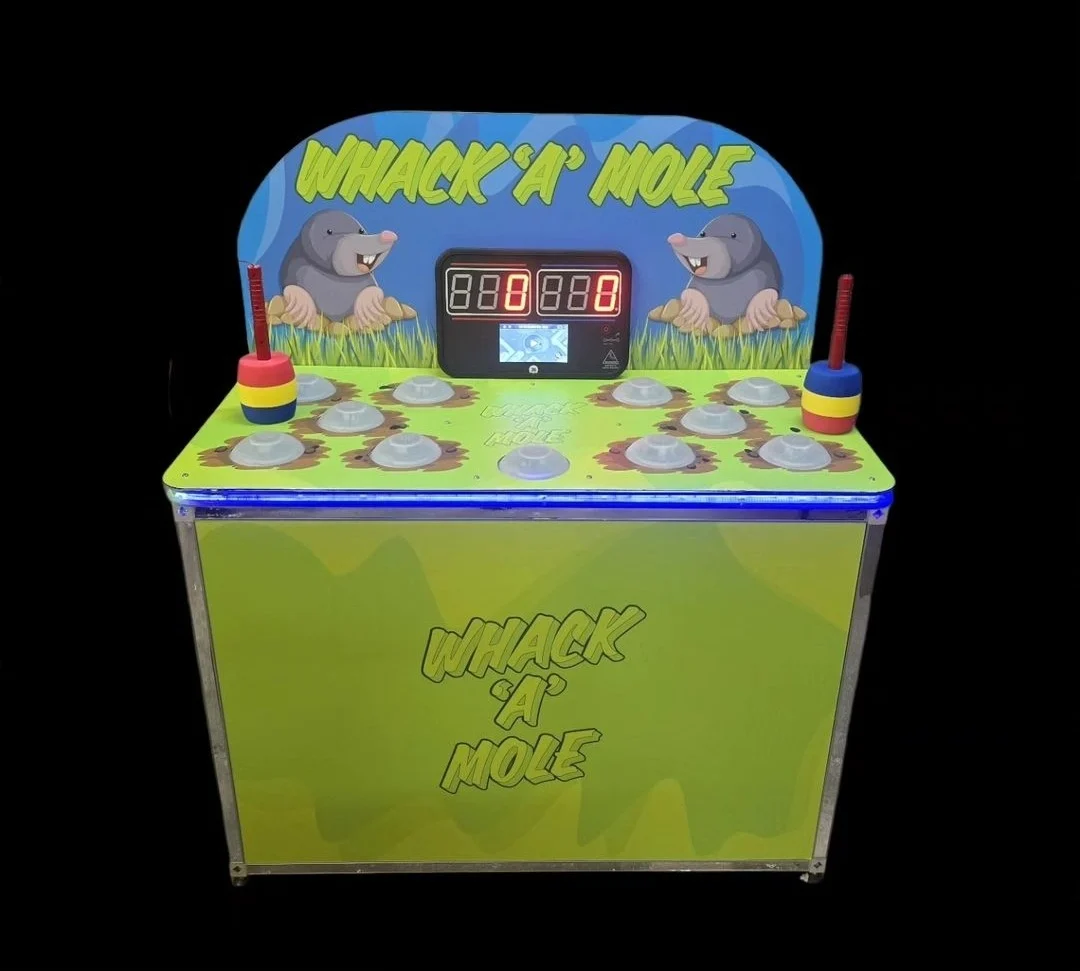
The UK’s fascination with the Topo Mole Game philosophy indicates a larger shift within gaming toward deliberate, sustainable design. It demonstrates that players value skill and intelligent systems, offering a real choice for developers who want to focus on mechanics over graphical fireworks. As this philosophy takes hold, it clears the path for more games that honor the player’s smarts, provide an honest challenge, and show that deep engagement can arise from an elegantly simple idea.
